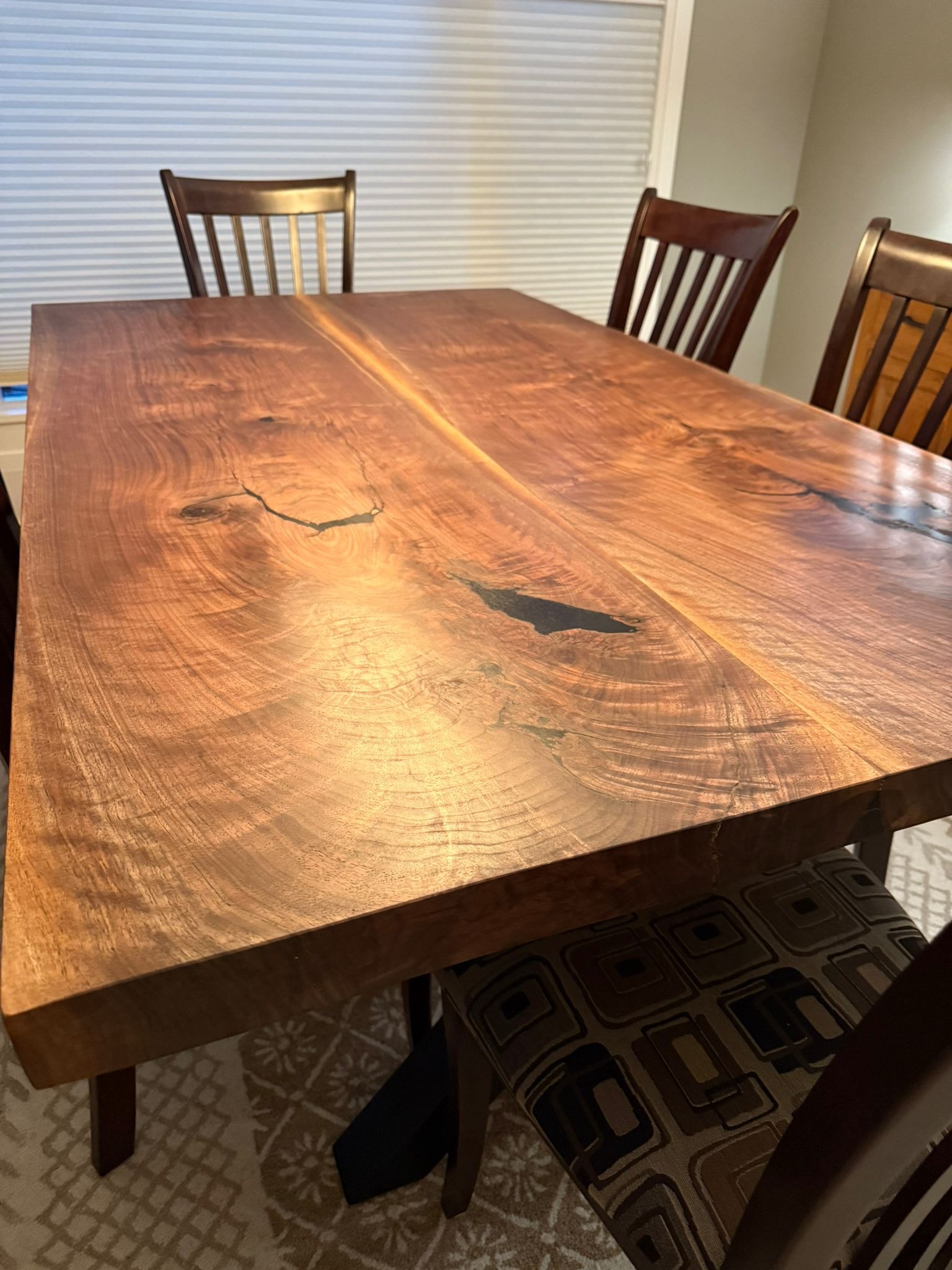
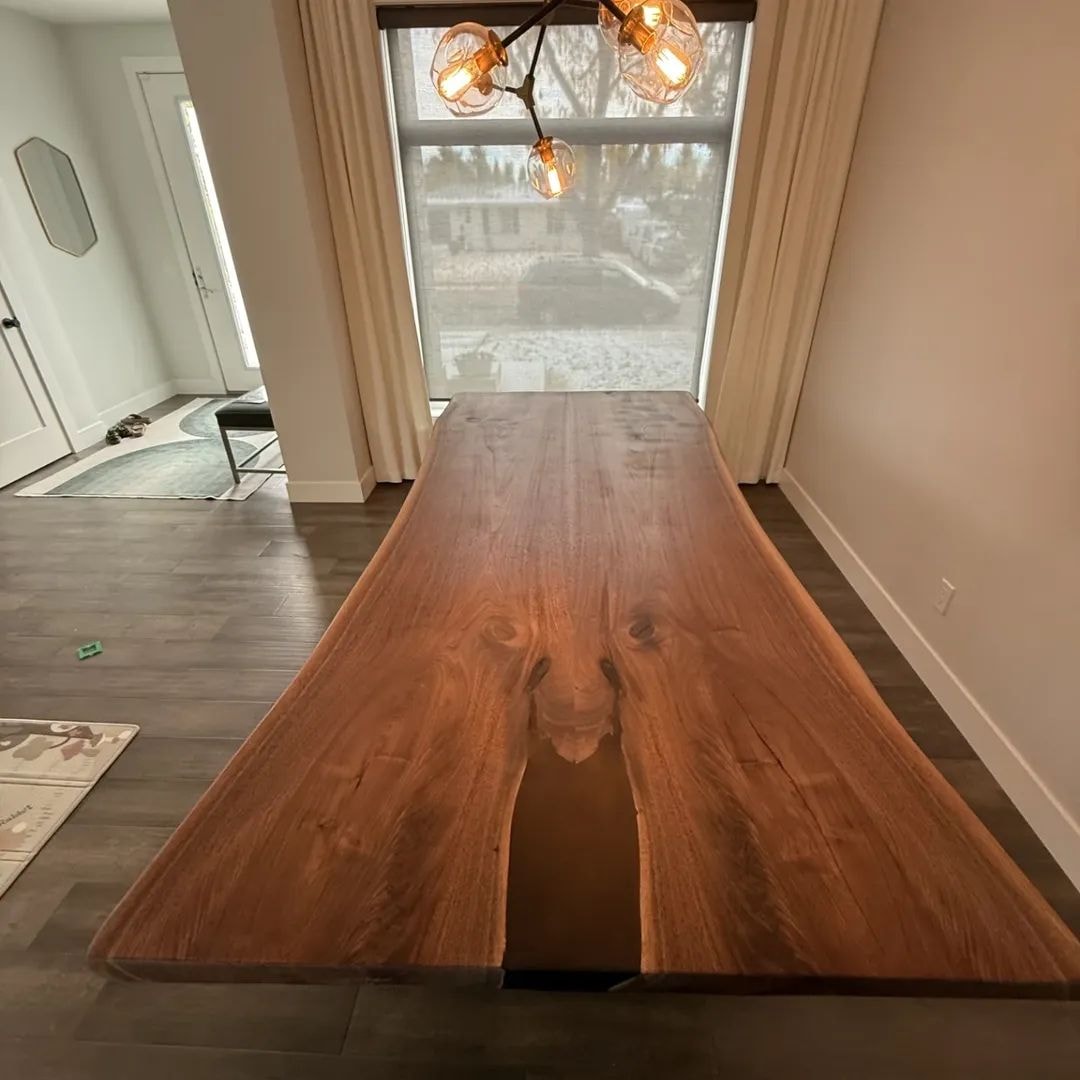
Why Kiln-Dried Wood Matters for Solid Wood Furniture
Kiln-dried wood is one of the most important quality indicators in solid wood furniture. Here is why it matters, what happens when it is skipped, and how to verify it.
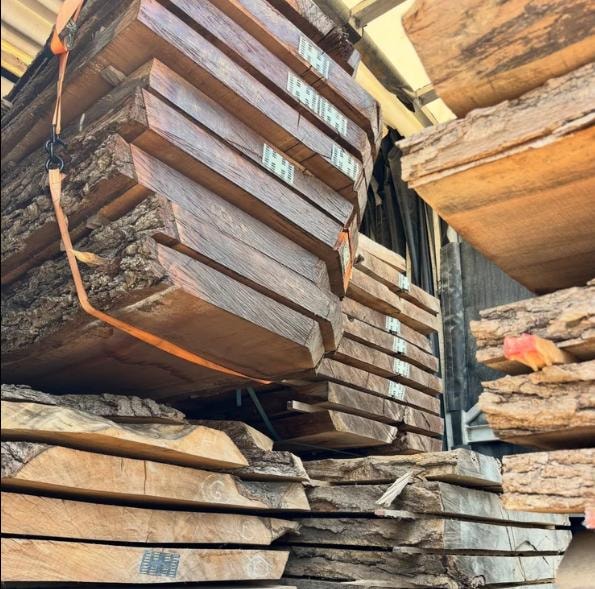
If you've been researching custom solid wood furniture, you've probably come across the term "kiln-dried." It's one of those phrases that gets used a lot in furniture marketing — but what does it actually mean, and why does it matter for the long-term quality of your table?
What Is Kiln Drying?
Wood is a hygroscopic material — it absorbs and releases moisture from the surrounding air. A freshly cut log can have a moisture content of 50–100%. Before that wood can be used to build furniture, its moisture content needs to be reduced to a level appropriate for indoor use in a climate-controlled environment.
Kiln drying is the process of placing lumber in a large oven-like chamber (the kiln) and carefully controlling temperature, humidity, and airflow to reduce the wood's moisture content in a controlled, accelerated way. For indoor furniture in Canadian homes, the target moisture content is typically 6–8%.
Why Does Moisture Content Matter?
Wood expands when it absorbs moisture and contracts when it releases moisture. This movement is a natural property of wood and cannot be eliminated — it can only be managed.
If a table is built from wood with a high moisture content, the wood will continue to dry out after the table is in your home. As it dries, it shrinks. This shrinkage can cause:
- Warping — the table surface cups or bows
- Cracking — splits develop along the grain
- Joint failure — mortise and tenon joints or glue joints open up
- Checking — small surface cracks appear at the ends of boards
These problems are not a sign of poor craftsmanship — they're the predictable result of using wood that wasn't properly dried before building.
Air Drying vs Kiln Drying
There are two main methods for drying lumber: air drying and kiln drying.
Air Drying
Air drying involves stacking lumber outdoors or in a covered shed with spacers between each board to allow airflow. The wood dries slowly over months or years, depending on the species and thickness.
The general rule of thumb is one year of air drying per inch of thickness. A 2" walnut slab needs approximately two years of air drying to reach an acceptable moisture content for indoor furniture.
Air drying is gentler on the wood and can produce beautiful results — but it requires patience, careful monitoring, and significant storage space. It also doesn't reliably achieve the low moisture content that kiln drying can.
Kiln Drying
Kiln drying achieves the same result in days or weeks rather than months or years. Modern kilns use computer-controlled temperature and humidity schedules to dry the wood evenly and minimize stress. The result is lumber with a consistent, verified moisture content that is ready to be worked immediately.
Kiln drying also kills insects, larvae, and mould spores that may be present in the wood — an important consideration for imported species.
Canadian Kiln-Dried Wood at Calgary Wood Works
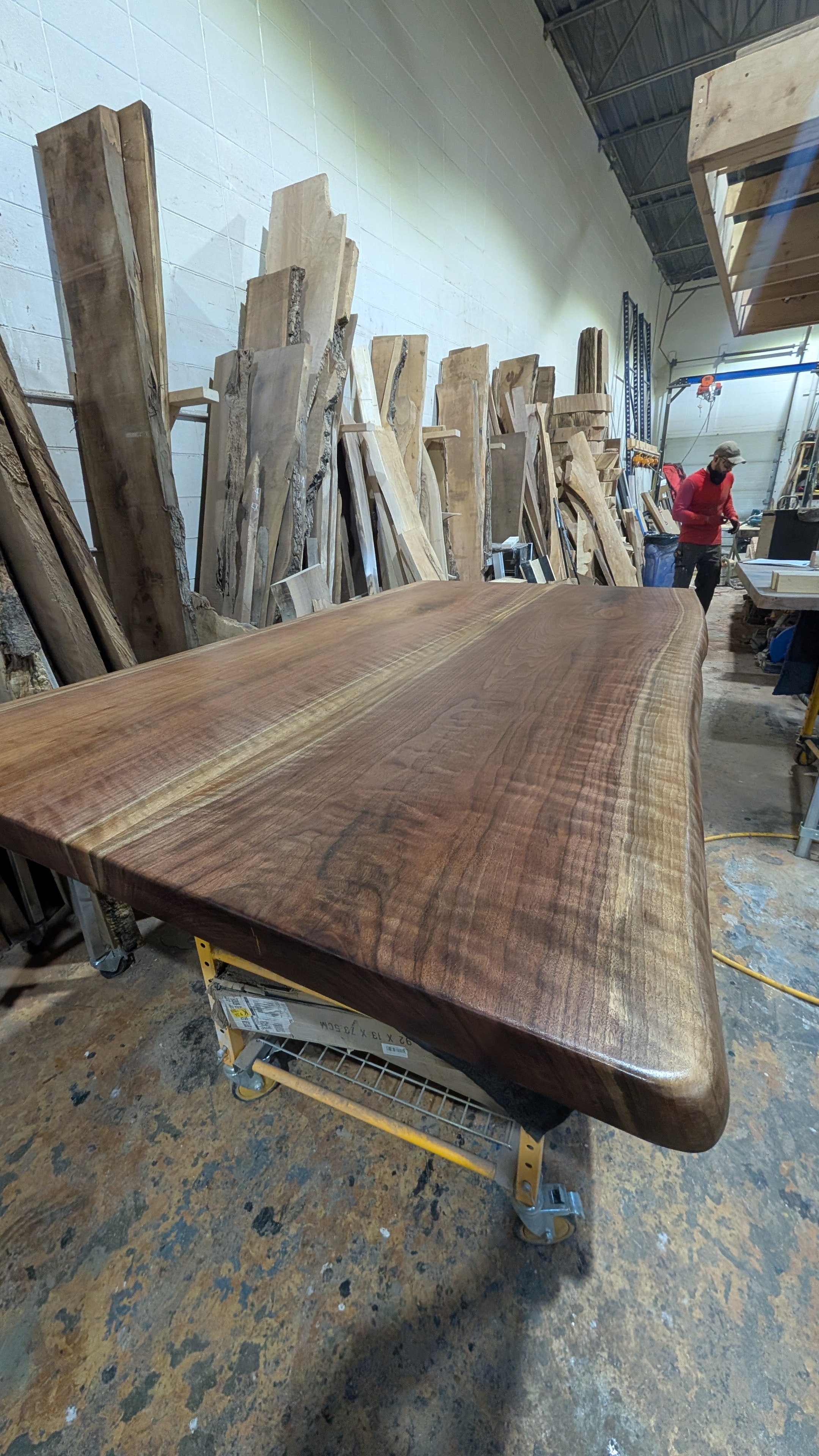
All of the hardwood slabs we use at Calgary Wood Works are kiln-dried. We source primarily from Canadian suppliers, and we verify the moisture content of every slab before it enters our shop using a calibrated moisture meter.
We work primarily with Canadian black walnut, hard maple, elm, and white oak — all of which are available as kiln-dried slabs from our suppliers. Using Canadian wood means shorter supply chains, lower transportation emissions, and slabs that have been dried to moisture levels appropriate for Canadian indoor environments.
How to Verify Kiln-Dried Wood
If you're buying a custom table from any maker, here are the questions to ask:
"Was this wood kiln-dried?" A reputable maker should be able to answer this directly.
"What is the current moisture content?" A professional woodworker will have a moisture meter and should be able to give you a reading. For indoor furniture in Alberta, you want to see 6–9%.
"Where was the wood sourced?" Locally sourced Canadian hardwoods are generally a good sign. Very cheap imported wood may not have been properly dried.
What About "Reclaimed" or "Barn Wood"?
Reclaimed wood — salvaged from old barns, factories, or demolished buildings — can be beautiful and sustainable. However, its moisture content and drying history are often unknown. If you're interested in reclaimed wood furniture, make sure your maker has verified the moisture content and, ideally, re-dried the wood before building.
The Bottom Line
Kiln-dried wood is not a marketing buzzword — it's a fundamental quality requirement for solid wood furniture that will last. A table built from properly dried Canadian hardwood, finished with a quality penetrating oil, and maintained correctly will remain stable and beautiful for generations.
At Calgary Wood Works, we don't cut corners on materials. Every table we build starts with verified kiln-dried hardwood, because we know that the quality of the raw material determines the quality of the finished piece.
Want a table built from quality Canadian kiln-dried hardwood? Design your table with Calgary Wood Works — handmade in Calgary and shipping across Canada.
Explore Topics
Written by
Calgary Wood Works
Content creator and writer sharing insights and stories.